【数据结构】栈和队列详解&&栈和队列实现

【数据结构】栈和队列详解&&栈和队列实现

用户10925563
发布于 2024-06-04 13:40:52
发布于 2024-06-04 13:40:52
1.数组栈的实现
1.1 栈的概念及结构
栈:一种特殊的线性表,其只允许在固定的一端进行插入和删除元素操作
进行数据插入和删除操作的一端称为栈顶,另一端称为栈底
栈中的数据元素遵守后进先出LIFO,(Last In First Out)的原则
- 压栈:栈的插入操作叫做进栈/压栈/入栈,入数据在栈顶
- 出栈:栈的删除操作叫做出栈,出数据也在栈顶
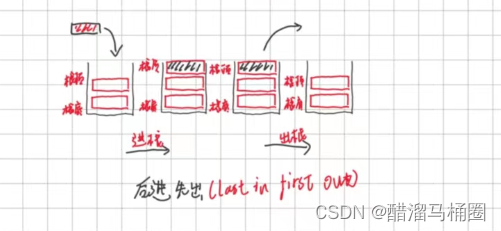
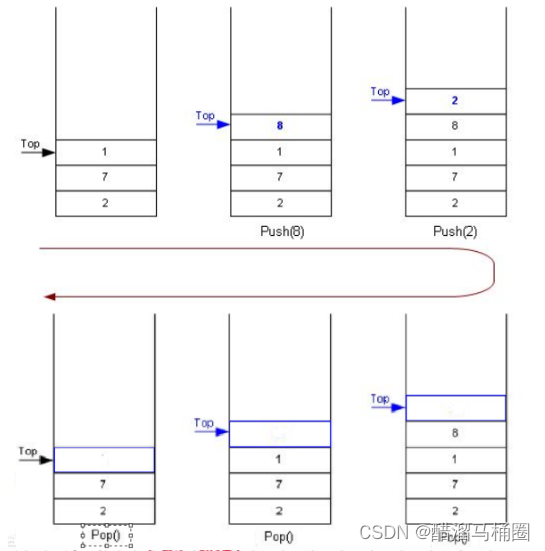
Stack的Push和Pop遵循后进显先出原则
1.2 栈的实现
栈的实现一般可以使用数组或者链表实现,相对而言数组的结构实现更优一些。因为数组在尾上插入数据的代价比较小
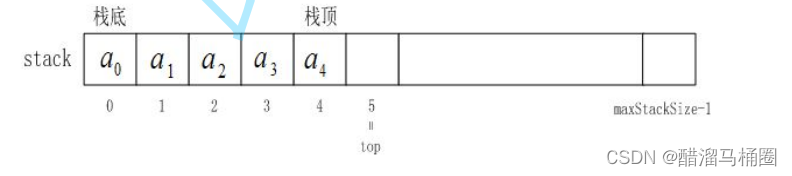
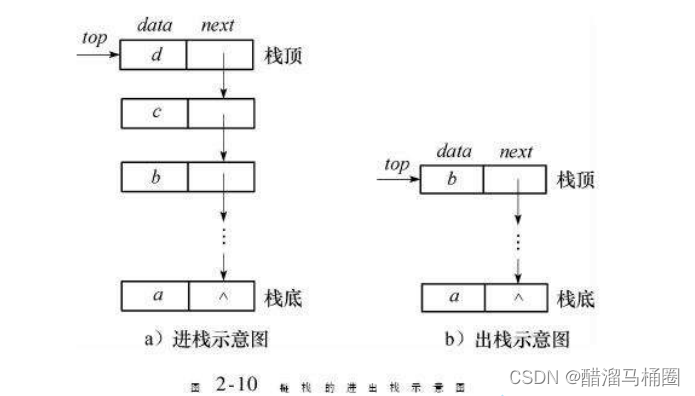
1.2.1 创建栈
我们还是用结构体来作为栈的每一个单独的数据块
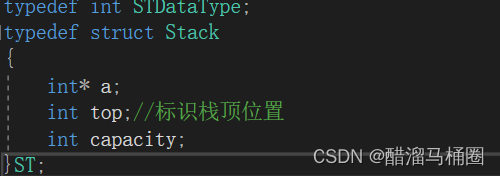
1.2.2 初始化
这里我们给top赋什么值得认真考虑,需要给0吗?
如果top初始化为0,那么就会出现歧义:top==0是有一个元素还是空
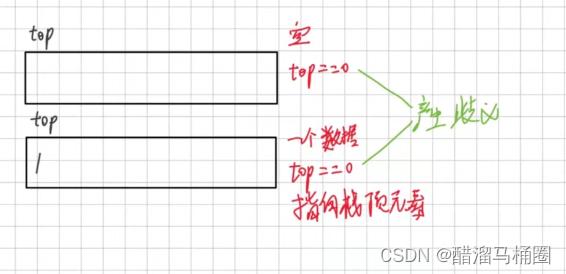
所以,如果top指向栈顶元素,需要给top=-1才能区分
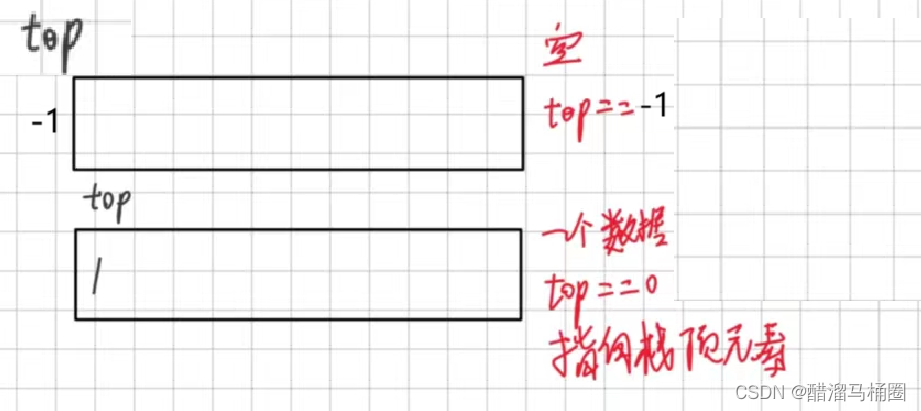
如果top指向栈顶元素的下一个位置,那么给top初始化为0就可以了
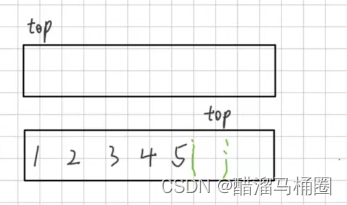
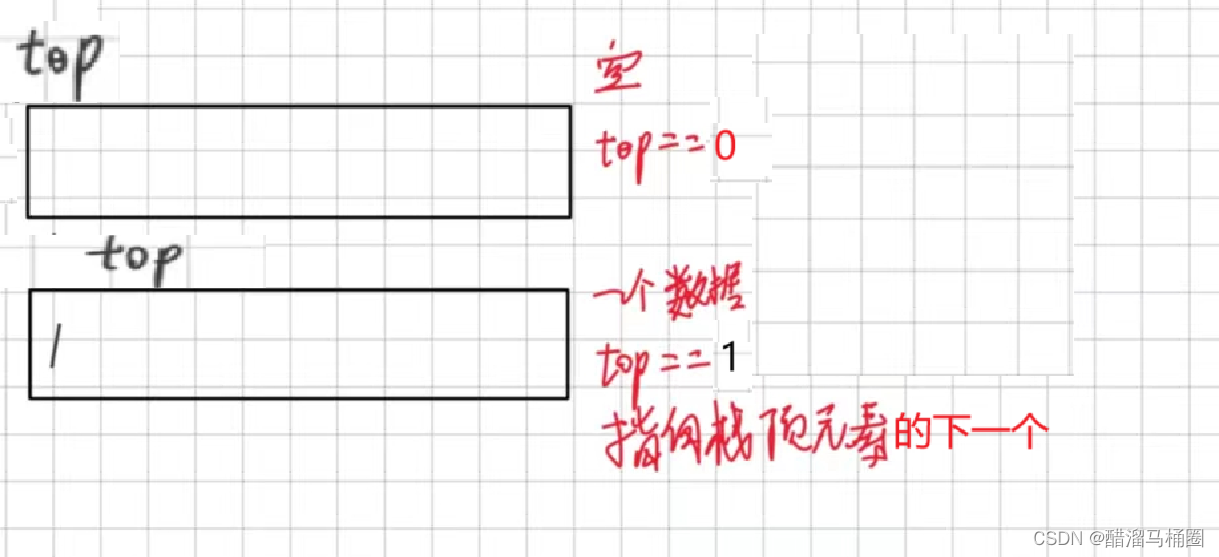
两种方式在初始化的时候会有区别:
- 如果top指向栈顶元素,top=-1: push: ++top; a[top]=x;
- 如果top指向栈顶元素的下一个,top=0: push: a[top]=x; ++top;
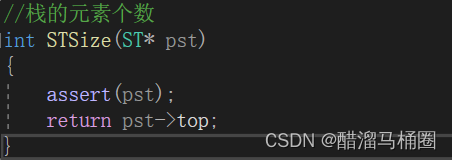
我们这里初始化的时候就初始化为0,top就是元素个数:
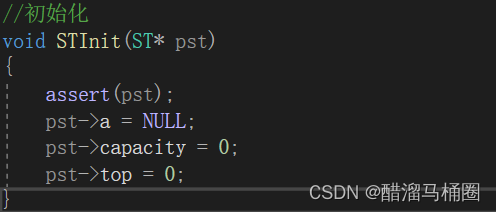
1.2.3 销毁
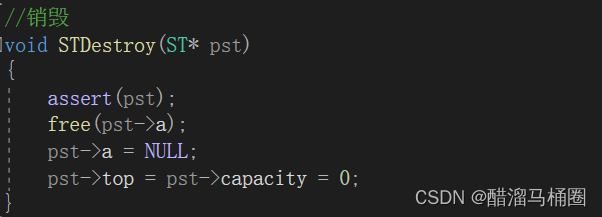
1.2.4 入栈
由于top我们初始化为0,这里我们入栈的时候就需要先给值,再++:
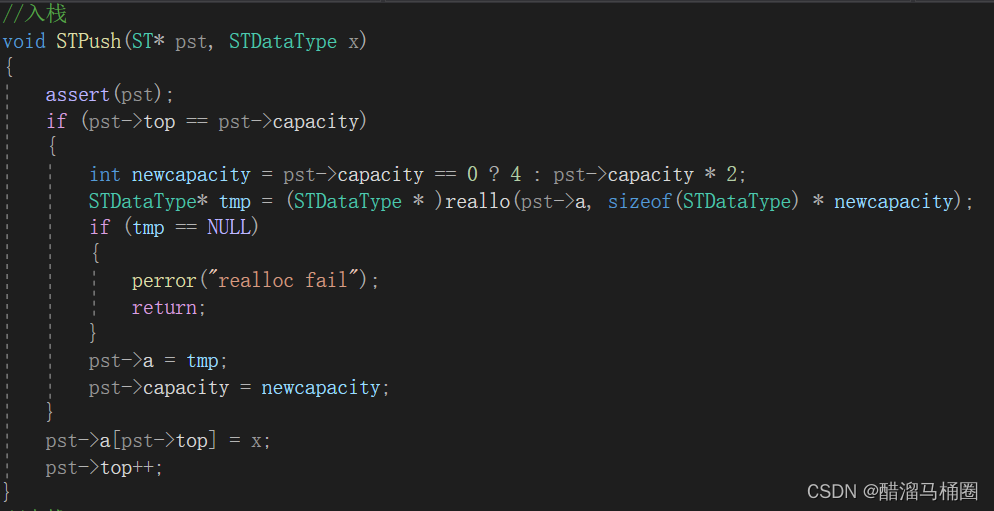
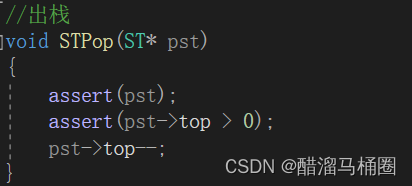
1.2.5 出栈
出栈就很简单了:
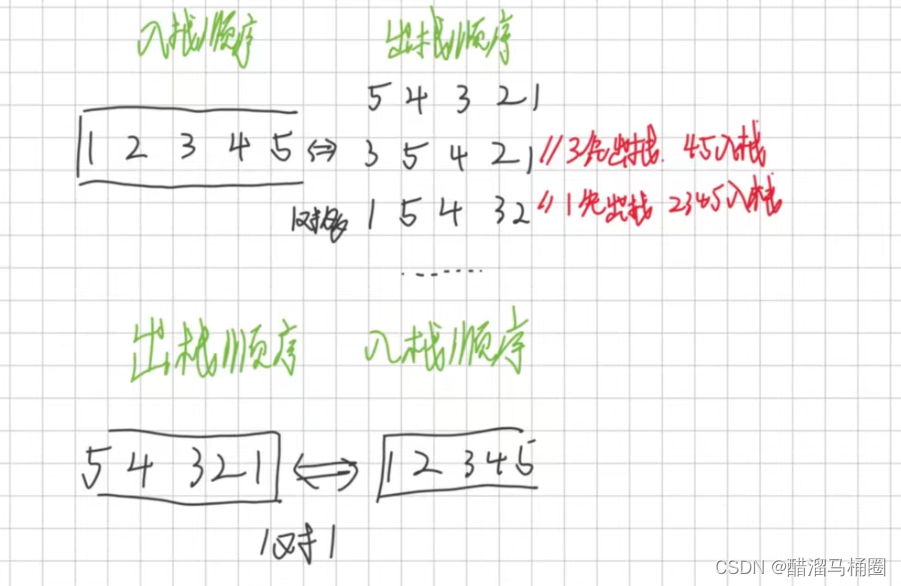
入栈顺序和出栈顺序是一对多的关系
一种入栈顺序可能会有多种出栈顺序,而一种出栈顺序只对应一种入栈顺序:
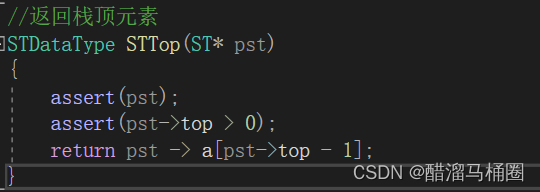
1.2.6 返回栈顶元素
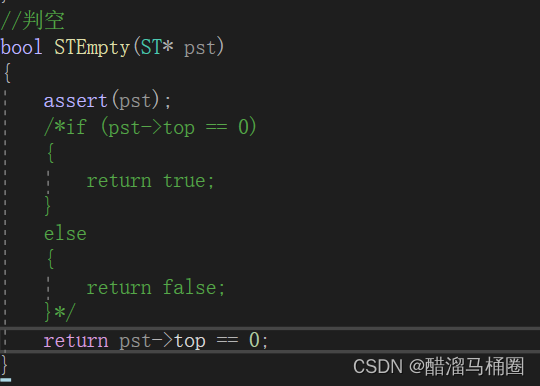
1.2.7 判空
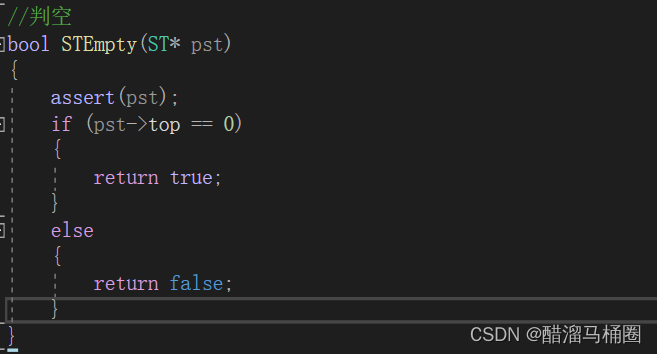
或者更简单的写法:
1.2.8 栈的元素个数
1.3 实现代码
1.3.1 Stack.h
#pragma once
#include <stdio.h>
#include <stdlib.h>
#include <assert.h>
#include <stdbool.h>
typedef int STDataType;
typedef struct Stack
{
	STDataType* a;
	int top;//标识栈顶位置
	int capacity;
}ST;
//初始化
void STInit(ST* pst);
//销毁
void STDestroy(ST* pst);
//入栈
void STPush(ST* pst, STDataType x);
//出栈
void STPop(ST* pst);
//返回栈顶元素
STDataType STTop(ST* pst);
//判空
bool STEmpty(ST* pst);
//栈的元素个数
int STSize(ST* pst);
1.3.2 Stack.c
#define _CRT_SECURE_NO_WARNINGS 1
#include "Stack.h"
//初始化
void STInit(ST* pst)
{
	assert(pst);
	pst->a = NULL;
	pst->capacity = 0;
	pst->top = 0;
}
//销毁
void STDestroy(ST* pst)
{
	assert(pst);
	free(pst->a);
	pst->a = NULL;
	pst->top = pst->capacity = 0;
}
//入栈
void STPush(ST* pst, STDataType x)
{
	assert(pst);
	if (pst->top == pst->capacity)
	{
		int newcapacity = pst->capacity == 0 ? 4 : pst->capacity * 2;
		STDataType* tmp = (STDataType * )realloc(pst->a, sizeof(STDataType) * newcapacity);
		if (tmp == NULL)
		{
			perror("realloc fail");
			return;
		}
		pst->a = tmp;
		pst->capacity = newcapacity;
	}
	pst->a[pst->top] = x;
	pst->top++;
}
//出栈
void STPop(ST* pst)
{
	assert(pst);
	assert(pst->top > 0);
	pst->top--;
}
//返回栈顶元素
STDataType STTop(ST* pst)
{
	assert(pst);
	assert(pst->top > 0);
	return pst -> a[pst->top - 1];
}
//判空
bool STEmpty(ST* pst)
{
	assert(pst);
	/*if (pst->top == 0)
	{
		return true;
	}
	else
	{
		return false;
	}*/
	return pst->top == 0;
}
//栈的元素个数
int STSize(ST* pst)
{
	assert(pst);
	return pst->top;
}
2.队列的实现
2.1 队列的概念及结构
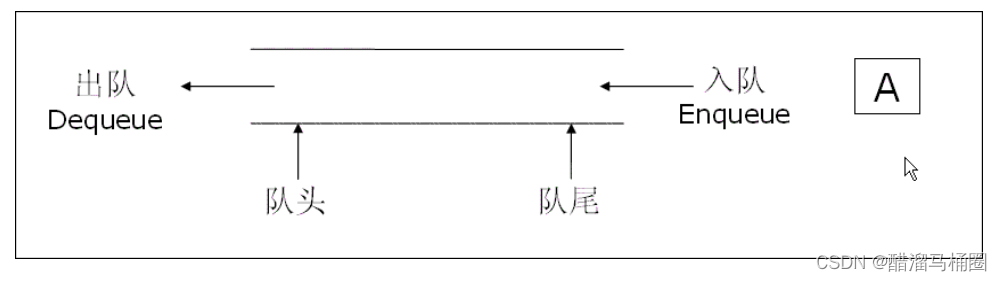
队列:只允许在一端进行插入数据操作,在另一端进行删除数据操作的特殊线性表,队列具有先进先出 FIFO(First In First Out)
- 入队列:进行插入操作的一端称为队尾
- 出队列:进行删除操作的一端称为队头
2.2 队列的实现
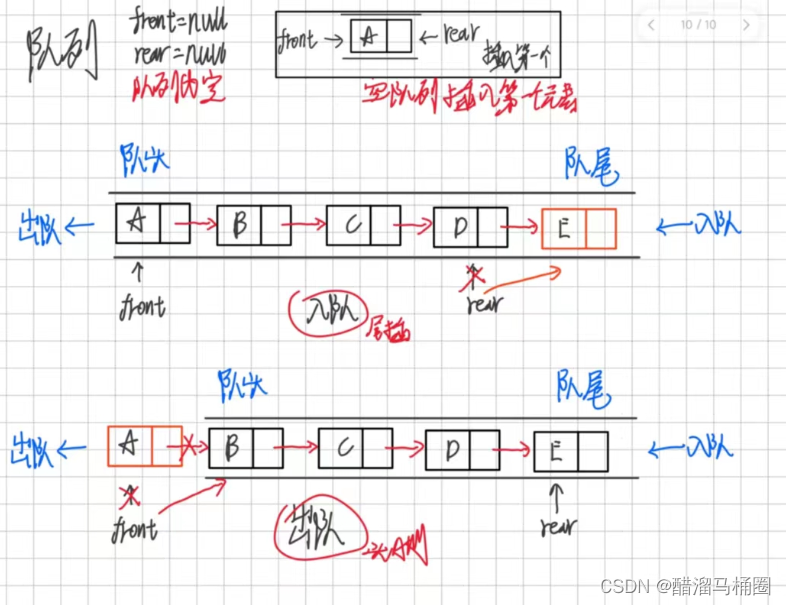
队列也可以数组和链表的结构实现,使用链表的结构实现更优一些,因为如果使用数组的结构,出队列在数 组头上出数据,效率会比较低。
我们可以用单链表来实现:
2.2.1 创建一个队列
先创建一个结构体封装数据之间的关系
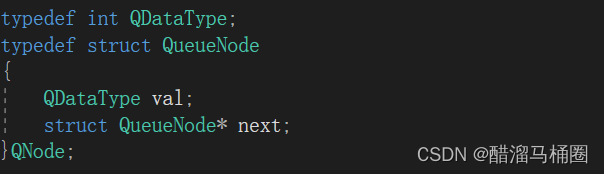
再创建一个结构体封装队列的头和尾
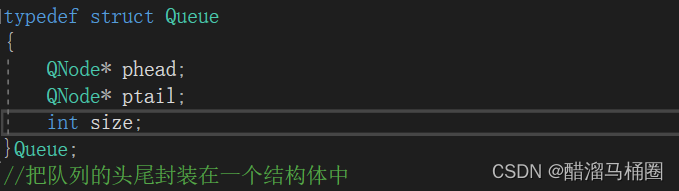
2.2.2 初始化
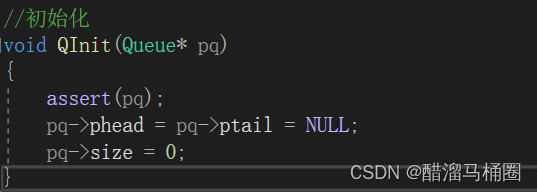
2.2.3 销毁
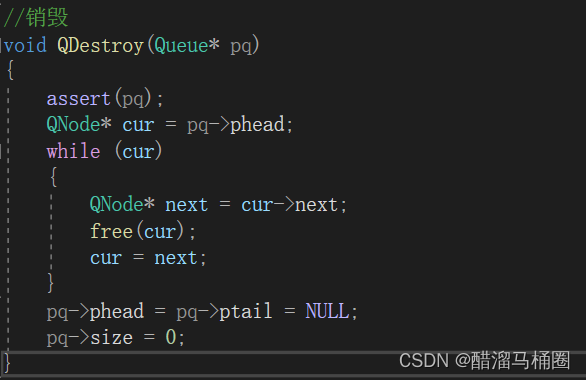
2.2.4 入队列
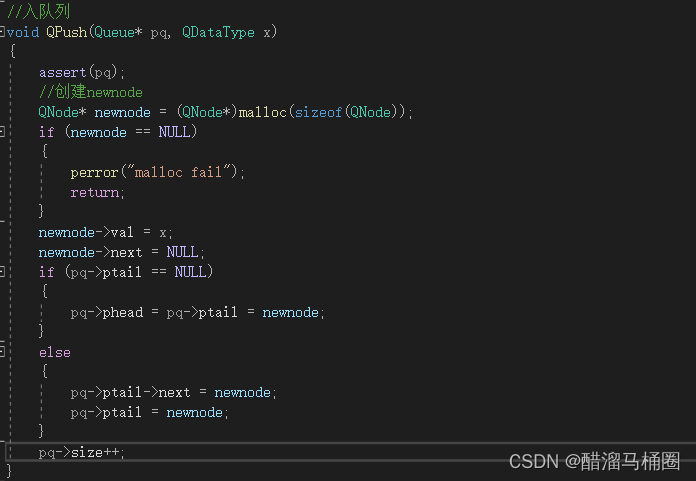
2.2.5 出队列
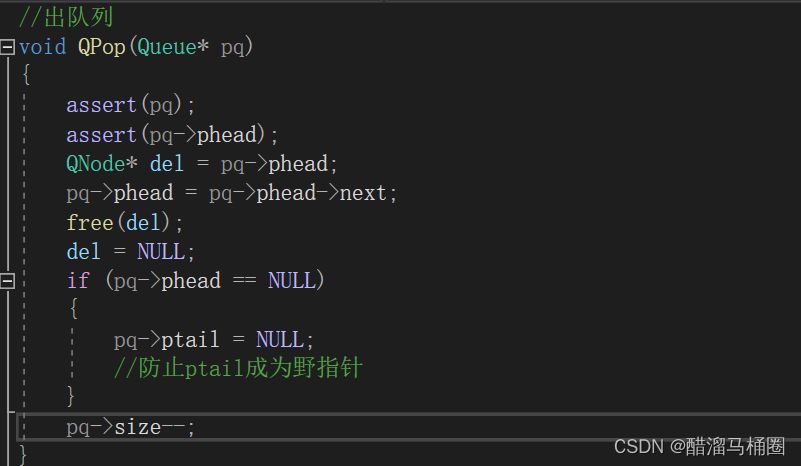
2.2.6 取队列头数据
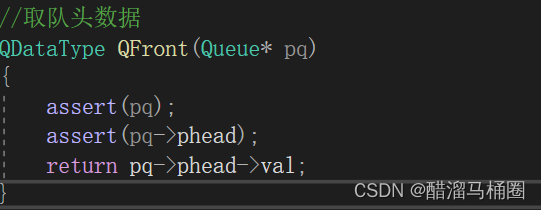
2.2.7 取队列尾数据
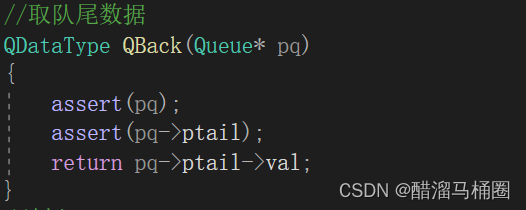
2.2.8 判空
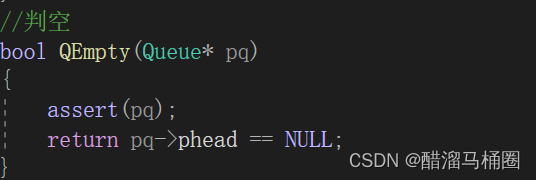
2.2.9 返回队列有效元素个数
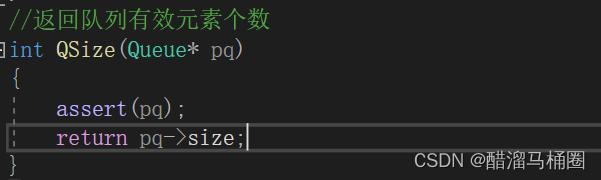
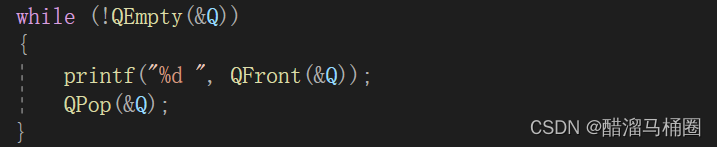
2.2.10 访问
当队列不为空的时候,访问队头数据,访问一个pop一个
2.3 实现代码
2.3.1 Queue.h
#pragma once
#include <stdio.h>
#include <stdlib.h>
#include <stdbool.h>
#include <assert.h>
//创建
typedef int QDataType;
typedef struct QueueNode
{
	QDataType val;
	struct QueueNode* next;
}QNode;

typedef struct Queue
{
	QNode* phead;
	QNode* ptail;
	int size;
}Queue;
//把队列的头尾封装在一个结构体中

//初始化
void QInit(Queue* pq);
//销毁
void QDestroy(Queue* pq);

//入队列
void QPush(Queue* pq, QDataType x);
//出队列
void QPop(Queue* pq);
//取队头数据
QDataType QFront(Queue* pq);
//取队尾数据
QDataType QBack(Queue* pq);
//判空
bool QEmpty(Queue* pq);
//返回队列有效元素个数
int QSize(Queue* pq);
2.3.2 Queue.c
#define _CRT_SECURE_NO_WARNINGS 1
#include"Queue.h"
//初始化
void QInit(Queue* pq)
{
	assert(pq);
	pq->phead = pq->ptail = NULL;
	pq->size = 0;
}
//销毁
void QDestroy(Queue* pq)
{
	assert(pq);
	QNode* cur = pq->phead;
	while (cur)
	{
		QNode* next = cur->next;
		free(cur);
		cur = next;
	}
	pq->phead = pq->ptail = NULL;
	pq->size = 0;
}
//入队列
void QPush(Queue* pq, QDataType x)
{
	assert(pq);
	//创建newnode
	QNode* newnode = (QNode*)malloc(sizeof(QNode));
	if (newnode == NULL)
	{
		perror("malloc fail");
		return;
	}
	newnode->val = x;
	newnode->next = NULL;
	if (pq->ptail == NULL)
	{
		pq->phead = pq->ptail = newnode;
	}
	else
	{
		pq->ptail->next = newnode;
		pq->ptail = newnode;
	}
	pq->size++;
}
//出队列
void QPop(Queue* pq)
{
	assert(pq);
	assert(pq->phead);
	QNode* del = pq->phead;
	pq->phead = pq->phead->next;
	free(del);
	del = NULL;
	if (pq->phead == NULL)
	{
		pq->ptail = NULL;
		//防止ptail成为野指针
	}
	pq->size--;
}
//取队头数据
QDataType QFront(Queue* pq)
{
	assert(pq);
	assert(pq->phead);
	return pq->phead->val;
}
//取队尾数据
QDataType QBack(Queue* pq)
{
	assert(pq);
	assert(pq->ptail);
	return pq->ptail->val;
}
//判空
bool QEmpty(Queue* pq)
{
	assert(pq);
	return pq->phead == NULL;
}
//返回队列有效元素个数
int QSize(Queue* pq)
{
	assert(pq);
	return pq->size;
}
本文参与 腾讯云自媒体同步曝光计划,分享自作者个人站点/博客。
原始发表:2024-06-03,如有侵权请联系 cloudcommunity@tencent.com 删除
目录
腾讯云开发者

Copyright © 2013 - 2026 Tencent Cloud. All Rights Reserved. 腾讯云 版权所有
深圳市腾讯计算机系统有限公司 ICP备案/许可证号:粤B2-20090059  粤公网安备44030502008569号
腾讯云计算(北京)有限责任公司 京ICP证150476号 | 京ICP备11018762号